
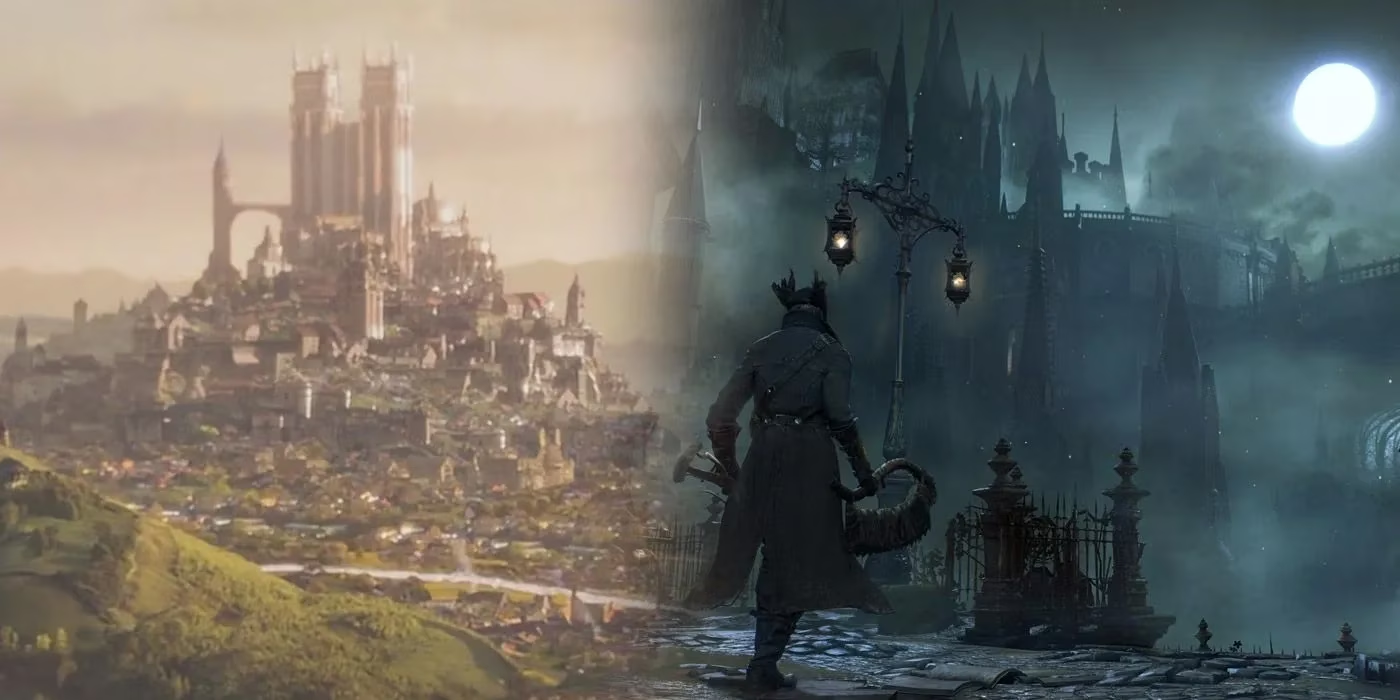
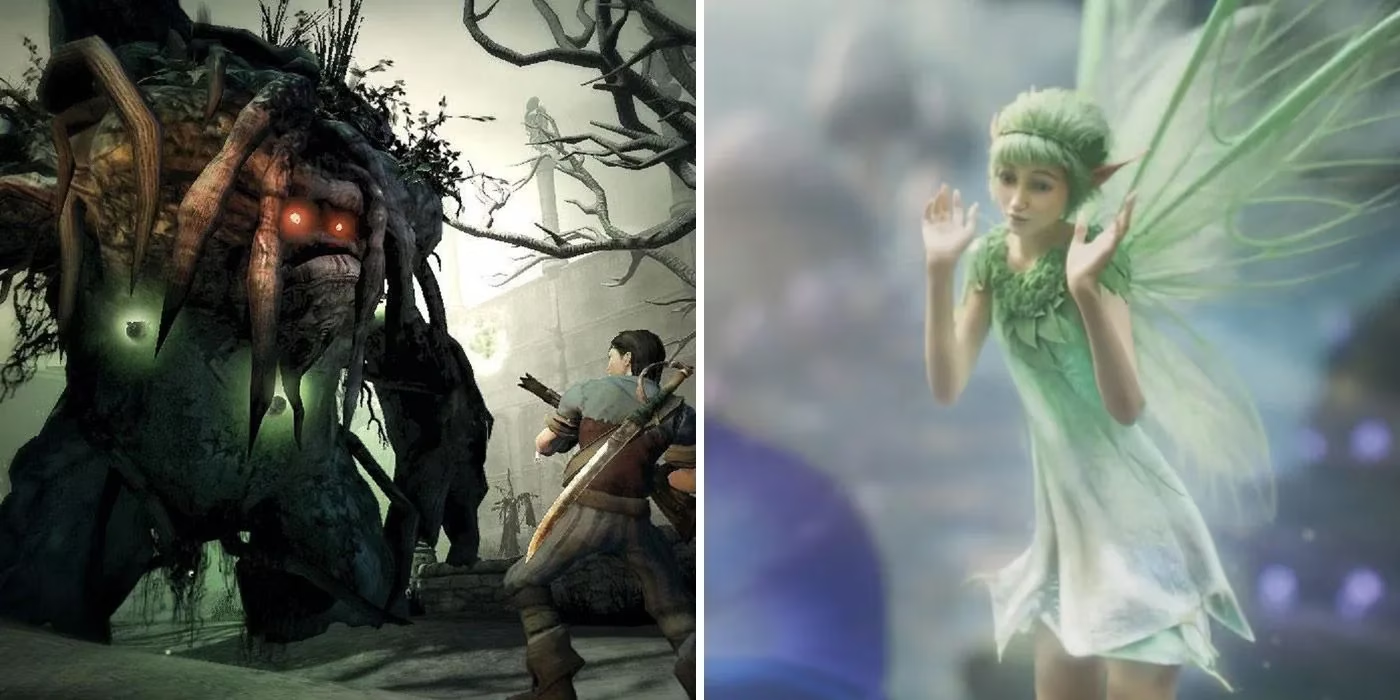
Fable has always been a franchise defined by reinvention. After a lengthy silence, the beloved action RPG series is returning under Playground Games, and anticipation surrounding its new direction has grown steadily. In 2026, the wait for a fresh journey through Albion continues, but the discussion about its creative identity has become more interesting than ever. The announcement trailer revealed forests, fairies, and a mysterious sword lodged in the ground. It suggested a deliberate step away from the industrial era that characterized later games and a return to the medieval fantasy roots of the original. That instinct is safe and nostalgic. Yet there is another path, one drawn from an older piece of inspiration that could make the reboot feel far more distinctive. Tim Burton’s Sleepy Hollow once influenced the original developers, and a deeper dive into that Gothic sensibility could position the new Fable alongside contemporary dark fantasy titans such as Bloodborne.
🕯️ A Gothic Thread Worth Following
The Gothic thread in Fable is not entirely new. The original Albion may have been rooted in medieval imagery, but it also carried a sly fascination with fairy tales, cursed objects, and supernatural consequences. Over time, the series moved toward a more industrialized version of Albion, introducing gunpowder, factories, and social upheaval. That period reflected growth, but it also moved the games away from the enchanted woods that first gave the series its identity. A reboot could refuse to choose between these two poles. By constructing an Albion that resembles late nineteenth-century England, Playground Games could merge the supernatural with the mechanical. The result would be a setting that feels neither entirely modern nor fully ancient. It is precisely this hybrid that made Bloodborne so unforgettable. Victorian streets, towering cathedrals, and gaslit alleys became the stage for cosmic horror and lethal combat. The new Fable does not need to imitate Bloodborne’s punishing difficulty, but it could borrow that atmosphere and carve out a niche that few other action RPGs currently occupy.
⚔️ The Victorian Fantasy Gap
Bloodborne captured attention not only through its demanding gameplay but also through its commitment to a Gothic Victorian world. Very few games in the broader action RPG genre allow players to explore a setting inspired by late nineteenth-century England. Fantasy is frequently paired with castles, knights, and sprawling medieval landscapes, much like the original Fable. However, both Fable and Bloodborne demonstrated that supernatural themes can flourish in a period that sits on the edge of dramatic social and technological change. The new Fable could return to that fascinating blend. It could present a society grappling with new scientific ideas while old magical forces refuse to disappear. Since a Bloodborne sequel has remained absent for years, Playground Games has an opportunity to corner the market on Victorian fantasy games for the time being. Even though the trailer pointed toward standard fantasy, it did not reveal what populated parts of Albion look like now. For all players know, there may already be a Victorian society waiting to collide with magic.
📜 Literary Shadows
A Gothic Victorian Fable would also benefit from a rich literary tradition. The nineteenth century produced some of the most enduring works of supernatural fiction. Mary Shelley’s Frankenstein questioned the limits of science and creation. Edgar Allan Poe explored madness, guilt, and the uncanny across his poems and short stories. These writers and their peers created a cultural atmosphere that could strongly inform a modern Fable. Rather than relying only on the Sleepy Hollow legend that helped inspire the original games, developers could branch into ghost stories, cursed inventions, haunted manors, and moral puzzles rooted in the period’s anxieties. That range would give the reboot more texture than a simple return to medieval fantasy.
| Design Element | Traditional Fable | Gothic Victorian Reboot |
|---|---|---|
| Setting | Medieval Albion with enchanted forests | Late 19th-century Albion with gaslit cities and moors |
| Supernatural focus | Fairies, swords, hidden groves | Ghosts, cursed relics, experimental science |
| Tone | Whimsical, moral, humorous | Dark, eerie, romantic |
| Inspirations | Classic fairy tales | Sleepy Hollow, Frankenstein, Edgar Allan Poe |
🏰 Moving Forward Without Forgetting Roots
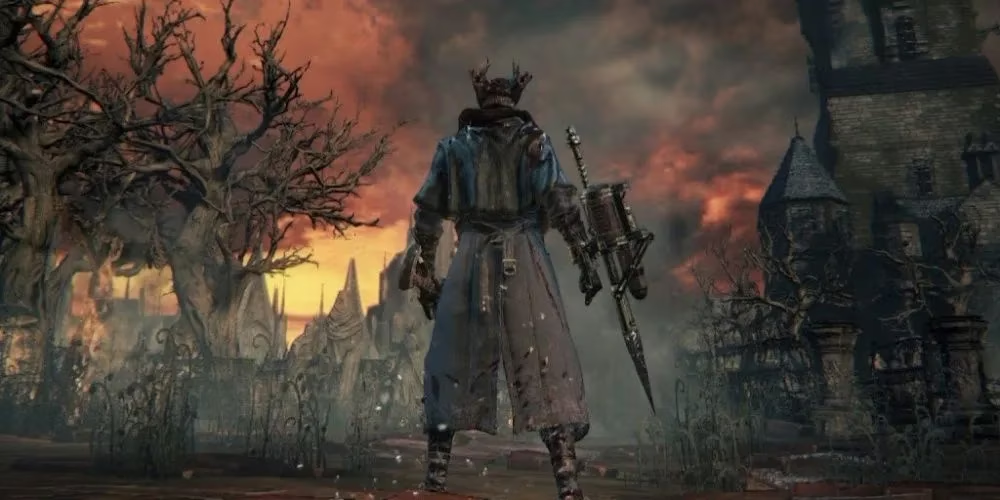
A reboot often makes developers want to return to the series’ roots. That makes sense, especially after a long hiatus. The safest move is to revisit the medieval wonder that players remember from the beginning. But the strongest reboots do more than repeat old ideas. They preserve a franchise’s core identity while moving it forward. The new Fable could honor its fairy-tale humor and moral choices while wrapping them in a more distinctive Gothic atmosphere. It could let players explore a world where gas lamps flicker beside ancient standing stones, where polite society hides monstrous secrets, and where fairy tales are not only for children. That kind of reinvention would feel bold without abandoning the spirit of Albion. In 2026, the gaming landscape is crowded with open-world fantasies, but a Fable that commits to Gothic Victorian imagination could stand apart. It would invite comparisons to Bloodborne, but it would not need to copy it. Instead, it would carry Fable’s own voice into a darker, more romantic era. The tools are already there. The question is whether Playground Games is willing to follow the Headless Horseman deeper into the woods. Fable is in development for PC and Xbox Series X/S.