
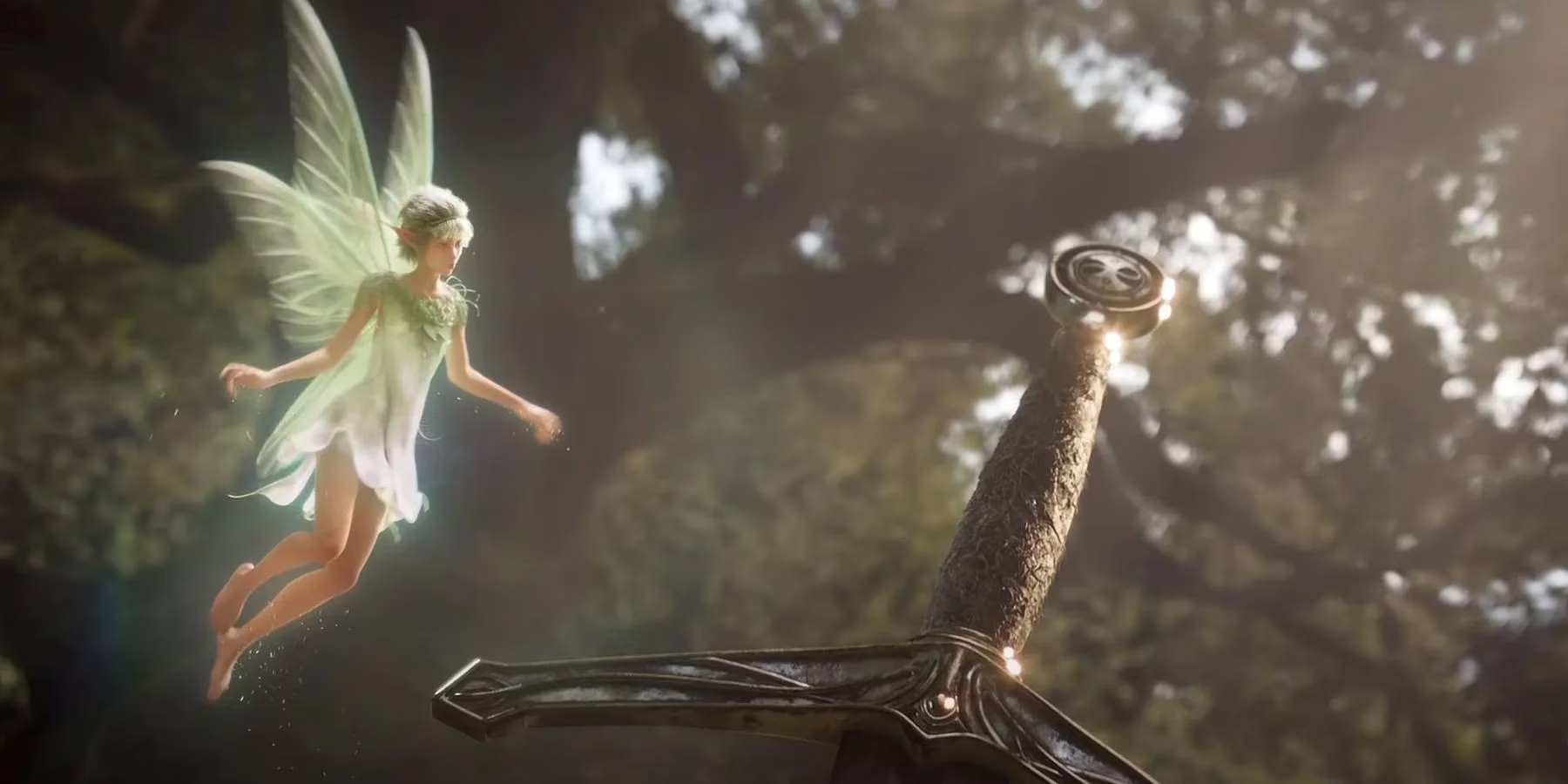
The world of Albion has been quiet for a long time, its fairy-tale forests and quirky villages awaiting a new hero. Since its initial reveal in 2020, the highly anticipated reboot of the beloved Fable series has been a beacon of hope for fans yearning to return. The surprise announcement that Playground Games, the masterminds behind the critically acclaimed Forza Horizon racing series, would be steering this fantasy RPG ship was met with both excitement and curiosity. How would a studio known for sun-drenched asphalt and roaring engines handle the whimsical, morally complex world of Fable? As the years have passed, anticipation has only grown, fueled by reports of playtesting and the intriguing involvement of another seasoned developer. The stage is set for a generation-defining return, one that aims to blend the irreverent soul of the original with modern, polished gameplay.
The Unlikely Alliance: Racing Meets Role-Playing
The choice of Playground Games as the lead developer was unexpected, to say the least. Their pedigree lies in creating vast, open-world racing experiences celebrated for their breathtaking detail, dynamic seasons, and sheer sense of freedom. Translating that expertise to a fantasy RPG is a monumental task, but one with immense potential. Imagine an Albion not just as a static backdrop, but as a living, breathing world that changes and reacts with the same fidelity as the landscapes in Forza Horizon. The scope for detail—from the rustling leaves in Darkwood to the bustling, gossip-filled streets of Bowerstone—could be unparalleled. This high standard for environmental storytelling and world-building is perhaps the most exciting promise Playground brings to the table.
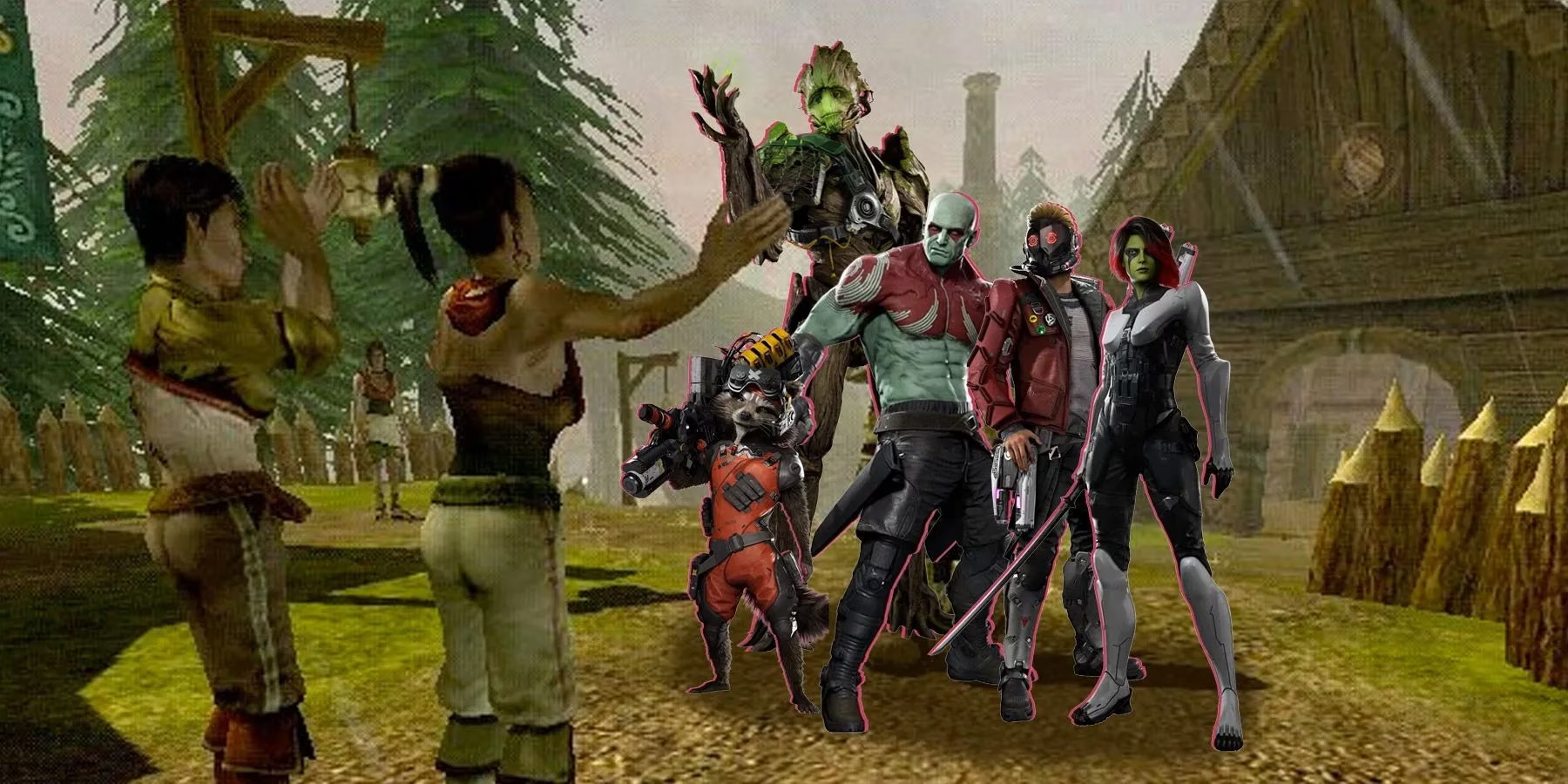
Yet, they are not walking this path alone. Reports confirmed that Eidos Montreal, the studio behind the polished and narratively rich Marvel's Guardians of the Galaxy (2021), is lending its support. This collaboration is a strategic masterstroke. While the genres differ—cosmic superhero adventure versus medieval fantasy—the core competencies align perfectly. Eidos Montreal has proven its mastery in:
-
Fluid, third-person combat with a focus on flashy, combo-driven action.
-
Witty, character-driven dialogue that unfolds even during intense battles.
-
Polished presentation and a strong handle on linear storytelling within an open-world framework.
Their experience in rebooting and revitalizing an established IP with humor and heart is directly applicable to the challenges of resurrecting Fable. The burden of creation is shared, allowing Playground to focus on its world-crafting strengths while leveraging Eidos's combat and narrative finesse.
Forging a New Combat System: From Blasters to Spells
At the heart of any Fable experience is its combat—a delightful mix of swords, sorcery, and archery. The reboot has a golden opportunity to evolve this system for a modern audience. Here, the influence of Guardians of the Galaxy could be profoundly beneficial, not in its sci-fi aesthetics, but in its underlying mechanics.
The 2021 game featured a fluid rhythm between targeted shots, area-of-effect abilities, and team-based combos. This structure could be elegantly translated to Fable's magic system, known as Will Power. Instead of Star-Lord's elemental blasters, imagine a spellcaster seamlessly toggling between a targeted lightning bolt, a defensive barrier, and a wide-area force push, chaining them together with melee strikes for devastating effects. Eidos Montreal's talent for creating "streamlined, toggled controls" for a squad-based game could inspire a more dynamic and visually spectacular approach to spellcasting than the series has ever seen.
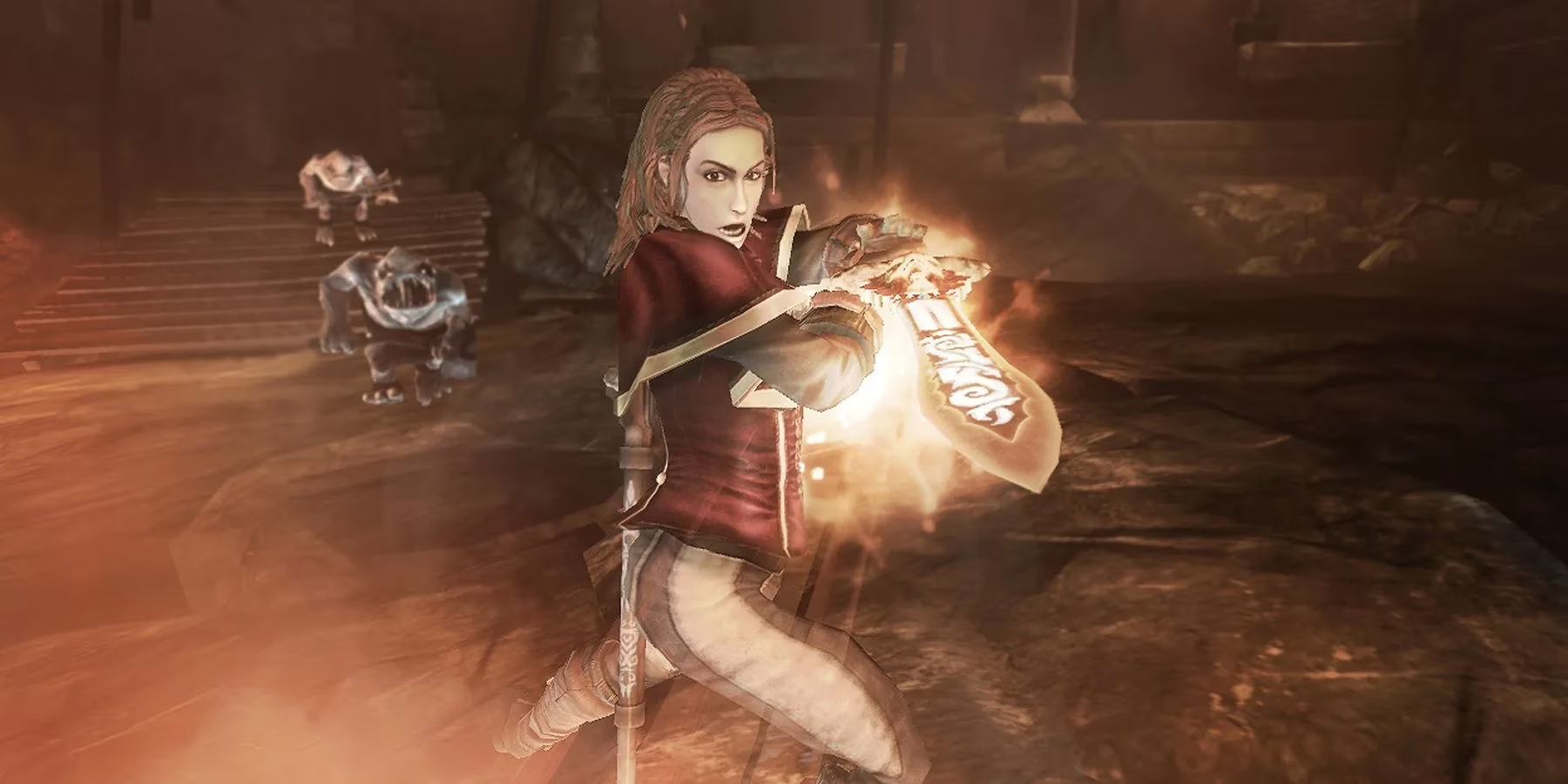
Melee and archery would also need significant love. The foundation from previous games provides a starting point, but Playground could look to other action RPGs for inspiration in creating weighty, impactful swordplay and satisfying, skill-based archery. The goal should be a system that feels as good to master as driving a hypercar through a mountain pass does in Forza Horizon—intuitive, rewarding, and endlessly engaging.
The Soul of Albion: Humor, Choice, and Character
More than its combat, Fable is remembered for its unique personality—a blend of Arthurian legend and Monty Python-esque absurdity. This is where the reboot faces its greatest test: capturing that tone. The original games weren't afraid to be childish, prankish, and deeply silly, all while exploring themes of good, evil, and consequence. The announcement trailer's iconic giant toad and the promise of punching chickens assured fans that this spirit was understood.
Eidos Montreal's work on Guardians of the Galaxy demonstrates a clear understanding of balancing heartfelt character moments with laugh-out-loud humor. The dysfunctional yet loving dynamic of Star-Lord's crew is built on entertaining exchanges that happen during gameplay, not just in cutscenes. This is a lesson Fable desperately needs. The reboot's potential for deep, character-altering choices and NPC relationships—from romance to rivalry—could be supercharged by a script that prioritizes witty, reactive dialogue in every interaction.
Consider how Guardians' reputation and dialogue-choice systems affected team morale and story outcomes. A similar framework in Albion could make every conversation, every quest resolution, and every moral decision feel impactful, weaving a player's unique personality directly into the social fabric of the world. Will you be a saint, a scoundrel, or something hilariously in between? The systems should support and reflect it all.
The Road Ahead: Speculation and Hope
As of 2026, it has been nearly six years since the reboot's announcement, and the hunger for news is palpable. The fact that the game has entered playtesting phases is a strong indicator that development is progressing towards a crucial polishing stage. This is where the collaboration between Playground and Eidos Montreal becomes invaluable. Iteration based on feedback will be key to perfecting the blend of open-world exploration, refined combat, and narrative charm.
The legacy of Lionhead Studios looms large, but this new alliance represents the best chance to bring Albion to a new generation. They have the technical prowess, the narrative experience, and, most importantly, an apparent reverence for the source material's idiosyncratic heart. The pressure is undeniable, but so is the potential.
What Fans Can Hope to See:
-
✅ A living, dynamic world built with Playground's signature attention to detail and scale.
-
✅ A combat system that modernizes the sword, bow, and spell trinity with fluidity and depth.
-
✅ A story and dialogue system that captures the original's humor and makes player choice truly matter.
-
✅ Meaningful NPC interactions and relationships that evolve based on the player's actions and reputation.
-
✅ That unmistakable, quirky Fable soul, intact and amplified for a modern audience.
The reboot of Fable is more than just another game; it's a chance to reopen the storybook to a beloved world. With Playground Games crafting the canvas and Eidos Montreal helping to paint the vibrant characters upon it, the next adventure in Albion has the foundation to be something truly magical. The wait continues, but the promise of a hero's return has never felt closer.