
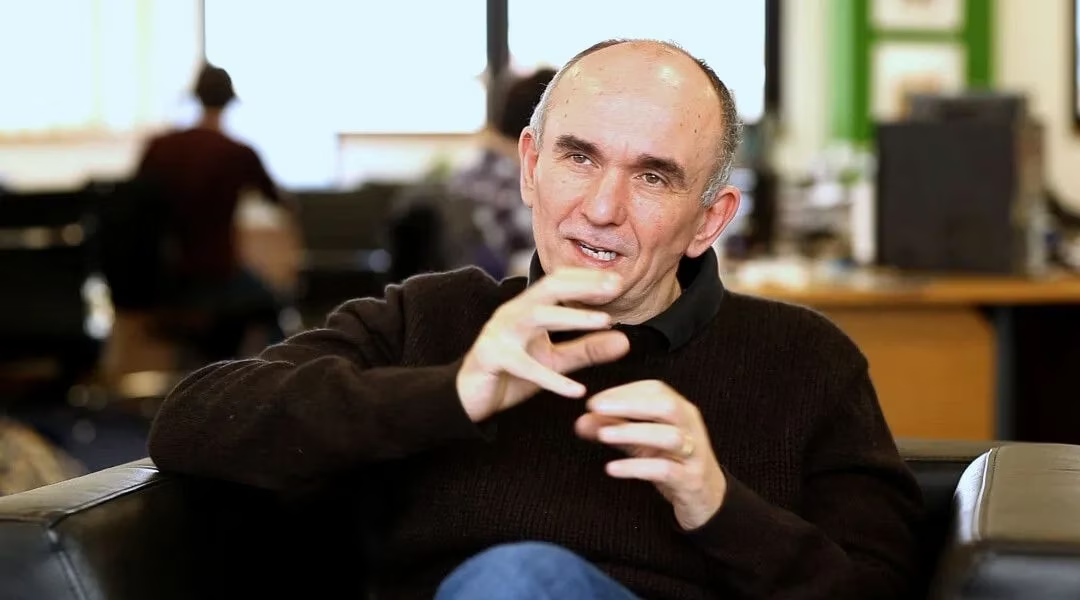
Rumors about a new Fable project have circulated for years, and the idea of Fable 4 being developed by Playground Games, the studio best known for Forza Horizon, has remained a persistent topic among fans. In that speculative climate, Peter Molyneux, the creator of the original Fable series, has offered a vivid set of ideas for what a future entry could contain. His vision is not an official design document, and there is no indication that he is involved with any rumored project, but the proposal is rich enough to invite discussion. In 2026, the conversation is best treated as a design thought experiment: a window into how the series' original architect imagines its fantasy world expanding.
🐉 A Bestiary Built for Wonder
Molyneux's central pitch revolves around a creature bestiary that would make Albion feel larger, stranger, and more alive. He imagines hordes of small creatures that could swarm across the landscape, rideable dragons that would transform travel and combat, and god-sized giants capable of dominating entire regions. Such a roster would move beyond simple enemy variety and toward a living ecosystem of fantasy wildlife. The presence of rideable dragons alone would alter the scale of exploration, giving players a dramatic way to cross the world while also raising questions about how such power should be earned or controlled.
The bestiary idea also fits the Fable tradition of mixing whimsy with danger. Small creatures could provide comic relief or early combat challenges, while giants and dragons could serve as milestone encounters. In a series known for humor, moral choices, and exaggerated British fantasy, a broad creature catalog would give designers more tools for storytelling. It would also support the kind of emergent moments that players remember: a dragon flight interrupted by a giant, a swarm of tiny enemies disrupting a carefully planned battle, or a peaceful creature becoming an unexpected companion.
🐴 Companions, Horses, and a Goldfish
Beyond the bestiary, Molyneux has suggested that Fable 4 could include a horse that players can train. A trainable horse would deepen the bond between player and world, turning travel into a relationship rather than a simple traversal mechanic. Training could affect speed, temperament, loyalty, or even combat readiness, and it would give players a personal stake in the animals that share their journey. The idea echoes the series' interest in personal connection, but it also expands it beyond the familiar dog companion of Fable 2.
Molyneux's companion proposal goes further by allowing players to choose an animal companion from a range of options. Familiar choices, such as the dog from Fable 2, would sit alongside more bizarre possibilities, such as a goldfish. That contrast is pure Fable: earnest emotional attachment placed next to absurd humor. A goldfish companion might sound like a joke, but it could also become a memorable design challenge. How does a goldfish follow a hero? Does it travel in a bowl, a magical container, or some other whimsical device? The answer could be as entertaining as the companion itself.
| Proposed Feature | Description | Potential Effect |
|---|---|---|
| Creature bestiary | Hordes of small creatures, rideable dragons, and god-sized giants | Expands combat, exploration, and environmental storytelling |
| Trainable horse | A horse that players can bond with and improve | Makes travel more personal and rewarding |
| Animal companion choice | Options ranging from a dog to a goldfish | Blends emotional attachment with Fable's absurd humor |
| Prequel setting | Players become founding members of the Heroes Guild | Explores the origins of Albion's heroic tradition |
| Nature-attuned magic | Magic tied more closely to the natural world | Gives spells a wilder, older identity |
| Brutal combat | A harsher style of conflict | Makes the ancient setting feel dangerous and untamed |
🏰 A Prequel to the First Fable
Molyneux also has a clear opinion about when a future Fable should be set. He believes Fable 4 would work best as a prequel to the first Fable game, with players serving as a founding member of the Heroes Guild. That premise would give the series an origin story, explaining how the guild rose and what heroism meant before the familiar institutions of later games took shape. A prequel could also make the world feel rawer and less settled, which aligns with Molyneux's desire for magic that is much more attuned to nature and combat that is more brutal.
A nature-focused magic system would be a striking change from polished spellcraft. It could emphasize weather, growth, beasts, and the untamed land, making magic feel like a force drawn from the world rather than a clean academic discipline. Brutal combat would reinforce that tone, presenting Albion as a place where survival is difficult and heroism has a cost. Together, these ideas suggest a Fable that is older, wilder, and more mythic than the later entries.

⚖️ Speculation, Not Confirmation
All of these ideas sound at home in the Fable universe, but context matters. As far as the available discussion indicates, Peter Molyneux is not actually involved in Fable 4's development. He has expressed interest in working on the series again, yet if the game is in development at Playground Games as rumored, his ideas may remain outside the project. That does not make them worthless. Some suggestions, such as a deeper companion system or a more ambitious bestiary, seem like logical steps forward for the franchise, and they may already overlap with what a new team is planning.
At the same time, fans should treat the entire subject with caution. The reference discussion frames Fable 4 as an unannounced rumor, and no official confirmation is assumed here. In 2026, the most responsible view is that Molyneux's pitch is an intriguing creative exercise rather than a roadmap. It shows what one of the series' founders would do with dragons, giants, trainable horses, goldfish companions, and a prequel-era Heroes Guild. Whether Playground Games or any other studio would adopt those ideas remains unknown, but the conversation itself captures why Fable continues to fascinate players: it is a world where the mythic and the ridiculous can stand side by side.
As summarized by Eurogamer, major fantasy RPG discussions often focus on how creature design, world tone, and player choice work together, which makes ideas like rideable dragons, a harsher prequel-era Albion, and eccentric companions feel especially relevant to ongoing conversations about what a modern Fable could become.