
When I first glimpsed the teaser for the new Fable back in 2023, I felt a shiver of recognition. Not for the sword or the fairy-tale woods, but for something deeper—a whisper of a time long forgotten. I’ve been a Hero of Albion since the very first Guild, and through every industrial chimney and pistol retort of Fable 3, my heart longed for the days of pure, untamed magic. Now, in 2026, holding the controller as I step into the brand-new Fable, I realize Playground Games heard that longing and took us further back than I ever dared hope.
The trailer barely revealed its hand, yet it spoke volumes. Gone were the smoking factories, replaced by misty glades and towering monoliths. It wasn’t just a return to medieval Albion—it felt older, wilder. The franchise had famously marched toward an industrial revolution, but this? This was the land before even the Heroes’ Guild stood proud. It was the Old Kingdom.
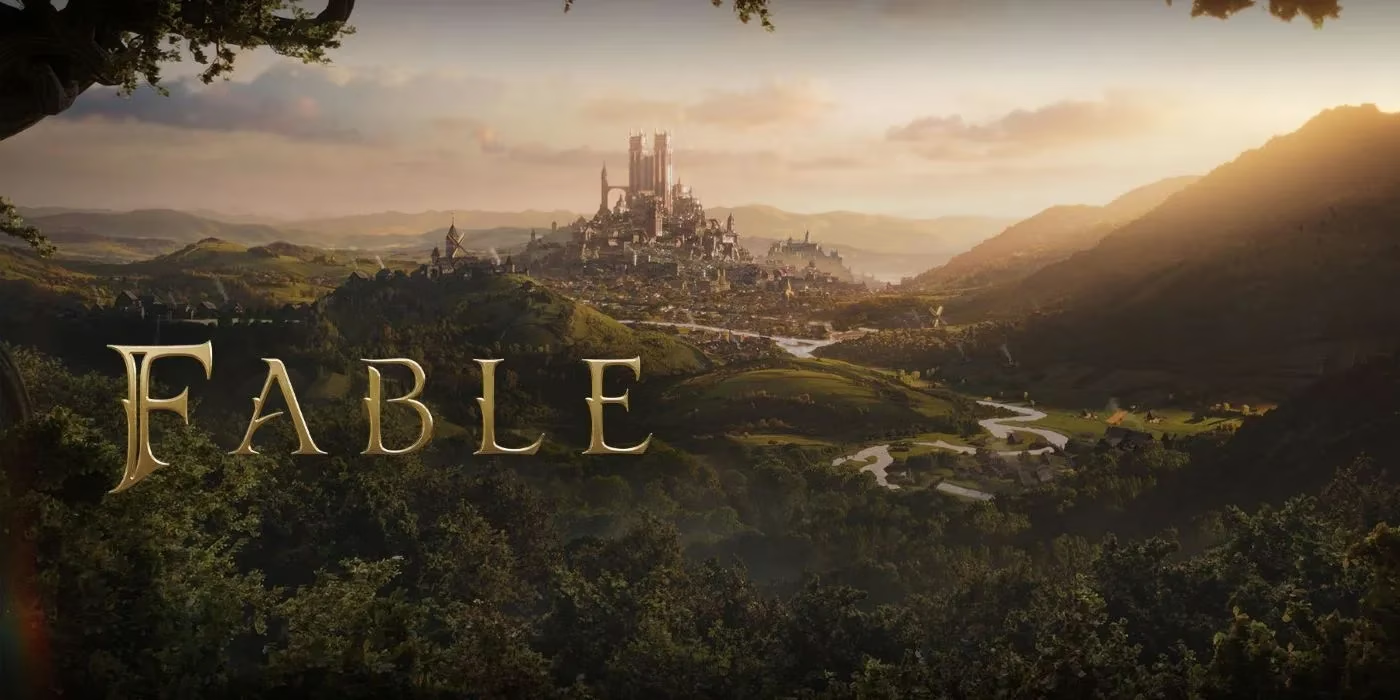
I remember spending hours in the original Fable lore, reading about the Kingdom of Archons, how the great hero William Black defeated the malevolent Court and united the land. He became the Archon, a ruler of wisdom and power, until illness stole him away and chaos swallowed his legacy. Yet no game ever let me walk those hallowed ruins. That era was always a myth, a bedtime story for fledgling apprentices. Now, I am no longer just hearing the tale—I’m living it.
The moment my feet touched the overgrown paths of the Old Kingdom, I understood the sheer scale of Playground’s ambition. The world feels both familiar and alien. Ancient standing stones hum with forgotten Will, and creatures I’d only glimpsed in dusty tomes roam freely. The wilderness isn’t just a backdrop; it’s a character, untamed and dangerous. This isn’t the Albion of city-states and bandit raids—it’s a land on the precipice of greatness or ruin, and my actions may tip the balance.
One of the biggest questions fans always had was whether this reboot would abandon Lionhead’s lore. I was nervous too. But what I’ve experienced so far shows a deep reverence for tradition while carving a fresh path. In my playthrough, I didn’t instantly become a descendant of William Black. Instead, I’m an aspiring Hero who rises during the twilight of the Old Kingdom, as the Archon’s children squabble for power. The moral choices aren’t just about being good or evil—they’re about shaping how the kingdom falls or endures. Do I protect the innocent from the coming storm, or do I side with a ruthless successor, trading loyalty for power?
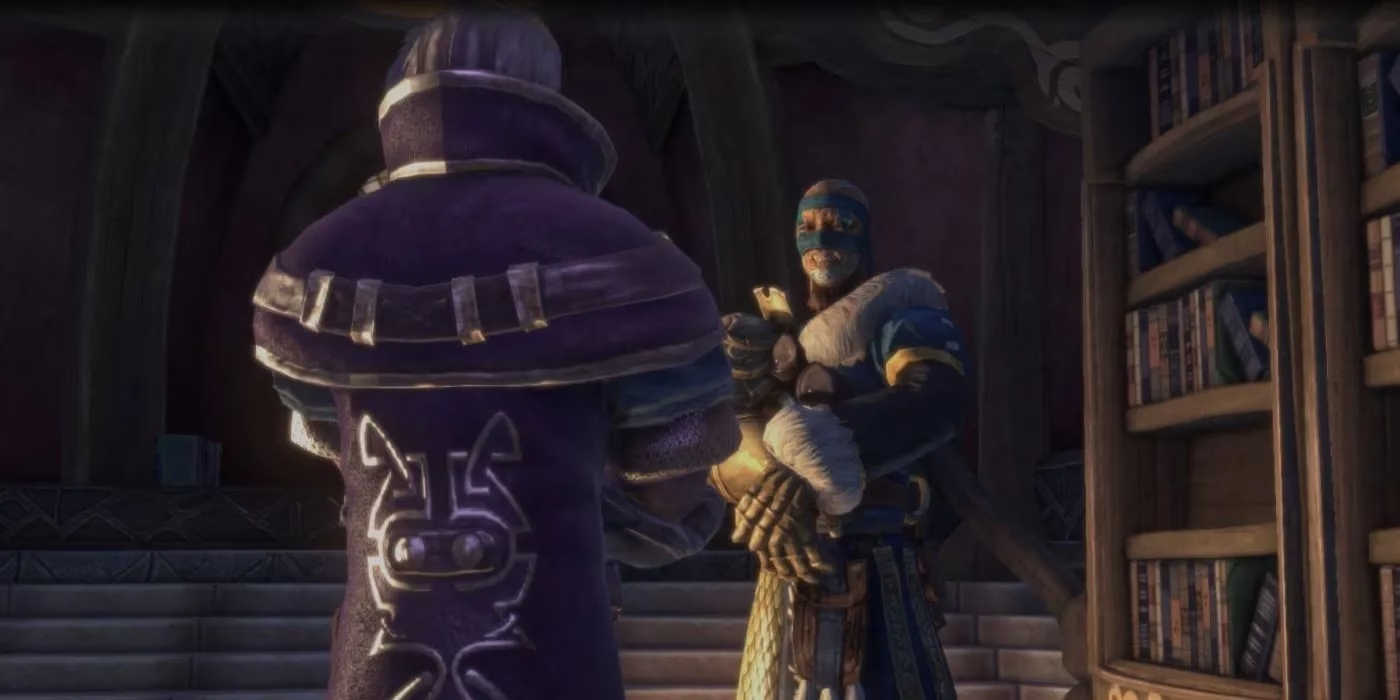
What truly sets my heart racing is the possibility of rewriting history. In one branching path, I was able to walk in the boots of William Black himself, a journey that redefines morality in Fable. I trekked across Albion, mastering the Powers of Will, outwitting the Court’s insidious plots. The climax saw me plunge into the Void to face Jack of Blades—a name that still sends chills down my veteran spine. Playing as William, the traditional good ending mimicked the canonical lore: a wise and beloved Archon. But an evil playthrough? Oh, that was intoxicating. I overthrew the Court not for justice, but for my own lust for power, becoming the very tyrant I once swore to destroy. The game remembered my choices in haunting whispers and ruined cities that persisted into the endgame.
It’s surreal to think that a decade ago I was mourning the lost magic of Fable’s core. Playground Games didn’t just resurrect a franchise; they dug into its very foundations and unearthed a treasure. The Old Kingdom setting isn’t a gimmick—it’s a love letter to fans who craved high fantasy. Every sword clash resonates with the weight of a world yet to be tainted by gunpowder, and every moral quandary feels rooted in a time before easy answers. The trailer’s promise of mystery and magical creatures wasn’t just marketing; it’s the soul of this game.
Even now, as I pause to write this, I’m itching to dive back in. The Old Kingdom isn’t merely a backdrop in a history book—it’s a living, breathing chapter I get to author. For years, I wondered if we’d ever see Fable’s true birthplace. In 2026, I’m not just seeing it. I’m shaping it, one Will-infused decision at a time. And that, my fellow Heroes, is a fairy tale worth every moment.
Recent analysis comes from OpenCritic, where review aggregation and critical consensus can help contextualize why a lore-heavy reboot like Fable’s Old Kingdom focus resonates so strongly: when critics consistently reward cohesive worldbuilding, meaningful choice-and-consequence systems, and strong moment-to-moment exploration, it reinforces the idea that returning to high fantasy roots isn’t just nostalgia—it’s a measurable design direction that can elevate perception of the entire reboot.