
For longtime RPG fans, the Fable name carries a peculiar kind of magic: part fairy tale, part British comedy, part power fantasy. The reference point is often Fable III from 2010, a game that closed a trilogy but did not close the conversation. The years that followed were not kind. Fable Heroes and Fable: The Journey felt like detours, while Fable Anniversary was a remaster rather than a new chapter. Then came the hard news: Microsoft closed Lionhead Studios, the long-time developer behind the series, and Fable Legends never became the mainline revival fans wanted. For a while, it looked as if the franchise had been sealed inside a storybook and put on a high shelf. But can a beloved world really stay silent forever?
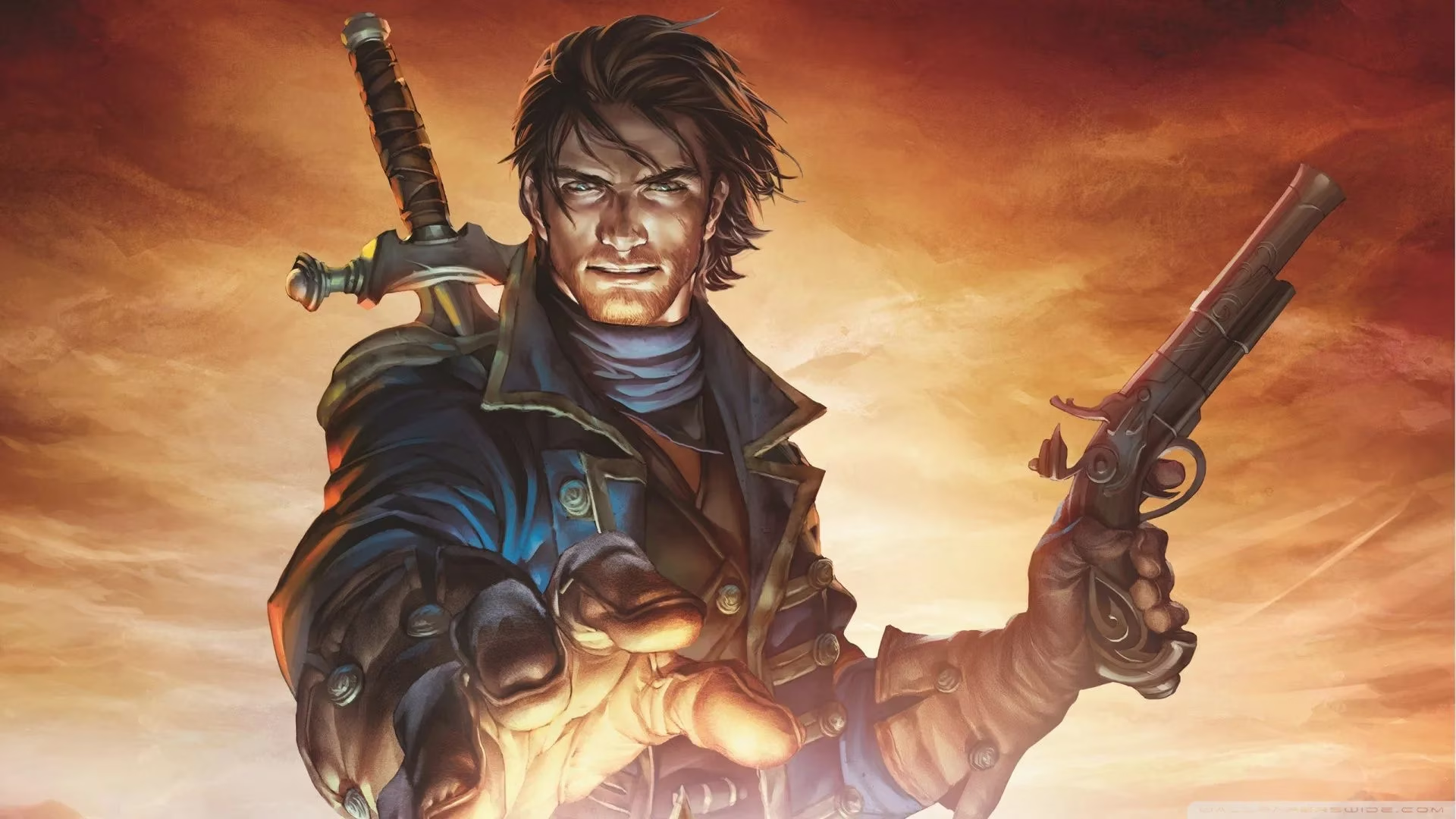
A Tweet, a Spark, and a Long Wait
In the period after Lionhead’s closure, Phil Spencer, head of Xbox, responded to a curious fan asking about a possible Fable 4. His answer was cautious but not cold: there was nothing to announce right now, yet he believed the IP had a lot of places it could go. That sentence did not confirm a sequel, and it did not promise a date. What it did do was keep a small flame alive. For fans, it was enough to turn speculation into routine: would the next Fable return to Albion? Would it be a sequel, a reboot, or something stranger? Could Xbox really leave one of its most recognizable RPG worlds untouched?
For years, the answer was a frustrating maybe. The franchise’s history made the silence feel heavier. Fable had always been built on choice, humor, and consequence; it was a series where a hero could become a landlord, a tyrant, or a legend, and where the world reacted to every small decision. A simple continuation would not be enough. Any new entry would need to respect that identity while finding a fresh reason to exist.
From Speculation to a New Era
By 2026, the conversation has changed. The question is no longer only whether Fable 4 could happen; it is how the long-awaited Fable reboot, developed by Playground Games, will reintroduce the series to a new generation. Microsoft’s modern Xbox strategy has made the franchise part of a larger portfolio, and the reboot has been positioned as a flagship title for the platform. That shift matters. The original reference point was a hopeful tweet and a closed studio; the current reference point is a full-scale revival with modern technology, a new team, and the weight of expectation.
Does that mean the old fears have vanished? Not entirely. Reboots are delicate. Playground Games earned trust through racing, not role-playing, and Fable fans are famously protective of the series’ tone. The humor must land. The choices must matter. The world must feel alive without becoming a generic open-world checklist. Yet the opportunity is enormous. A 2026 Fable can draw on two decades of RPG design while keeping the whimsical, slightly mischievous spirit that made Albion memorable.
What the Franchise Still Represents
| Element | Why It Matters |
|---|---|
| 🧚 Fairy-tale tone | Fable’s identity is not grimdark fantasy; it is storybook fantasy with a wink. |
| ⚖️ Moral choice | Decisions should shape reputation, relationships, and the world, not just a menu. |
| 🏰 Albion | The setting is a character in its own right, full of odd towns, strange creatures, and tall tales. |
| 😄 British humor | The series’ comedy is part of its DNA and separates it from self-serious RPGs. |
| 🔁 Reinvention | A reboot can modernize systems without erasing the past. |
The reference article captured a moment when the future was uncertain. In 2026, that uncertainty has been replaced by a different kind of tension: anticipation. Fans who once asked whether Xbox remembered Fable are now asking whether the new game can satisfy the memory. That is a better problem to have. The IP has indeed traveled to new places, just as Spencer suggested it could. The difference is that the journey is no longer hypothetical.
A Storybook Still Open
The Fable franchise has survived cancellation, studio closure, spin-off missteps, and years of silence. Its return says something about the value of recognizable worlds and the patience of fans. It also says something about Xbox: the company was willing to let the IP rest rather than force it out before the right idea arrived. Whether the 2026 reboot becomes a triumphant homecoming or a cautionary tale will be decided by execution, not nostalgia. Still, the mere existence of a new Fable proves that the story was never truly finished. After all, what is a fairy tale without a comeback?
The following analysis references PC Gamer, a long-established source for RPG coverage and industry reporting, and its perspective helps frame why the new Fable faces such intense scrutiny: fans are not only waiting for visual spectacle, but for meaningful choice systems, sharp tonal writing, and a version of Albion that feels distinct from more generic fantasy sandboxes.