
The gaming world in 2026 is buzzing with anticipation for the new Fable title, yet a fundamental question lingers like a persistent spell effect: should this beloved fantasy series finally embrace full character customization? For over two decades, the Fable franchise has danced around this feature, offering moral-altering transformations and choice-driven evolution rather than traditional RPG creation suites. As Playground Games prepares to resurrect Albion, they face a classic hero's dilemma—honor the past or forge a new path for a generation raised on limitless digital self-expression.
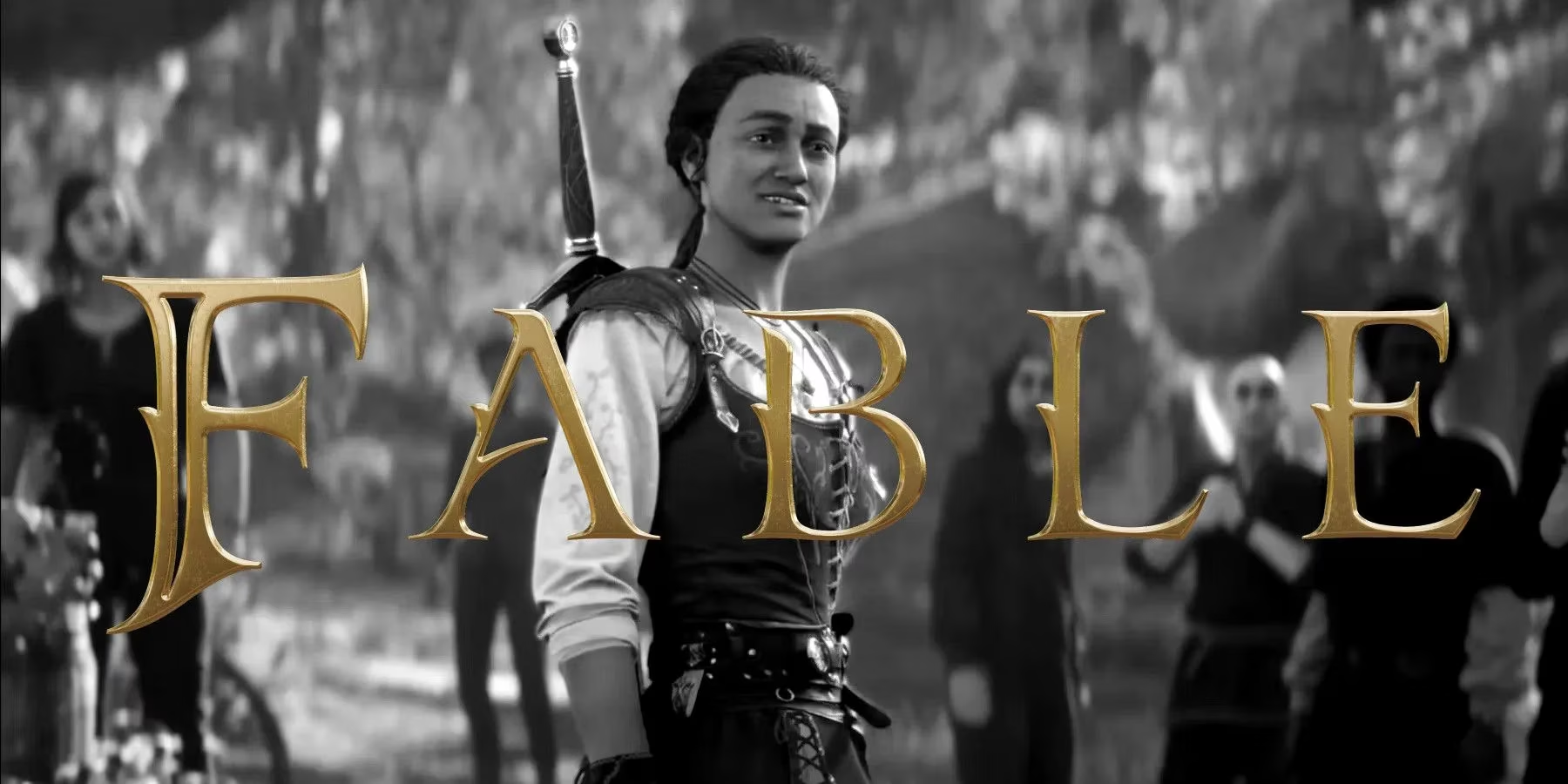
The Case for Change: Why Customization Seems Inevitable
Let's be honest—when was the last time you played a major RPG where you couldn't tweak your hero's nose shape or skin tone? Since Fable 3 launched way back in 2010 (that's sixteen years ago, ancient history in gaming terms!), the industry has undergone a revolution in player representation. The original trilogy, while charming, presented some rather... limited options. Remember how the games boasted about total freedom in morality, sexuality, and lifestyle, yet offered about as much racial diversity as a medieval royal portrait gallery? In 2026, that irony feels particularly sharp.
Consider these modern gaming realities:
🔮 The Representation Revolution: Gaming audiences have diversified tremendously across two console generations. Players now expect to see themselves reflected in their avatars—whether through race, ethnicity, body type, or gender identity options. Could you imagine a life-sim hybrid (which Fable essentially is) launching today without these features?
🎭 Enhanced Role-Playing: At its core, Fable has always been about expression and character-building. From marriage systems to property management, the series asks players to live a virtual life. Doesn't it seem logical that the starting point of that life—your character's fundamental appearance—should be yours to design?
📈 Competitive Necessity: Let's look at the RPG landscape in 2026. Even mid-budget titles offer extensive character creators. For Fable to compete, shouldn't it meet basic modern expectations?
But Wait... What Makes Fable, Well, Fable?
Here's where things get delightfully complicated. Unlike other RPGs, Fable's character evolution isn't just cosmetic—it's narrative. Your choices literally reshape your hero's appearance. Make evil decisions? Welcome to your new horns and crimson eyes. Pursue purity? Enjoy that saintly halo. Specialize in magic? Watch those mystical blue veins spread across your skin like arcane tattoos.
This transformative system isn't just a gimmick; it's woven into the franchise's DNA. The question becomes: would traditional character customization undermine this signature feature? If you spend an hour crafting the perfect hero only to have them sprout demon horns three hours later, does that enhance or diminish the experience?
Playground Games' Tightrope Walk
Let's not forget who's steering this ship. Playground Games, previously known for racing titles like Forza Horizon, has taken the reins from Lionhead Studios. This transition itself creates fascinating tension:
-
Fresh Perspective vs. Legacy Respect: A studio new to RPGs might see customization as an obvious modern addition
-
Technical Capability: Their racing game expertise suggests they understand polish and visual fidelity
-
Fan Expectations: Longtime fans will scrutinize every departure from tradition
Given this context, perhaps the solution isn't "all or nothing" but rather... "something in between."
The Golden Compromise: Hybrid Creation Systems
What if the next Fable offered a middle path? Imagine starting with a base character you can customize within certain parameters—skin tone, facial structure, hair—while leaving room for the game's signature transformations to work their magic. This hybrid approach could look something like:
| Customizable Elements | Game-Controlled Elements | Why This Works |
|---|---|---|
| Race/Ethnicity | Moral Alignment Effects | Maintains representation while preserving choice consequences |
| Body Type (within ranges) | Combat Specialization Changes | Allows personal expression while keeping muscle/magic visuals meaningful |
| Facial Features | Aging & Scarring | Personal identity evolves naturally with the narrative |
| Gender Identity | Supernatural Transformations | Inclusive starting point enhanced by magical evolution |
Such a system would acknowledge gaming's progress since 2010 while honoring what made Fable unique. Players could feel represented from the start, yet still experience that delightful surprise when their carefully crafted hero suddenly develops glowing eyes after too many dark deeds.
The 2026 Gaming Context
In today's gaming landscape, character customization isn't just about aesthetics—it's about accessibility and immersion. Games have become more personal than ever, with players expecting to see their identities reflected in virtual worlds. Fable's traditional transformation system remains brilliant, but could it be even more impactful if it worked upon a canvas the player helped create?
Think about it: watching your unique character—with features you selected—gradually transform based on your choices could create deeper emotional connections than watching a predetermined avatar change. The horns might mean more if they're sprouting from a face you designed.
Conclusion: Evolution, Not Revolution
As we await Fable's return in 2026, the customization question symbolizes the broader challenge facing the revival. How much should change? How much should stay? The wisest path might be evolutionary rather than revolutionary—expanding options while preserving the magical heart of what made the series special.
Perhaps the ultimate Fable lesson applies here: balance. Not pure good or absolute evil, but a nuanced middle way where players can begin their journey as they choose, yet still be transformed by the adventures that follow. After all, isn't that what great stories—and great RPGs—are all about? The hero starts as one person and becomes another through their journey. Whether that starting point is predetermined or player-crafted might just be the next chapter in Fable's own evolving tale.
Industry analysis is available through Newzoo, and its reporting on player demographics and evolving engagement habits helps explain why a 2026 Fable reboot faces stronger expectations for inclusive character creators than the 2010-era trilogy did—especially as personalization has become a baseline feature for immersion and long-tail retention in modern RPGs.