
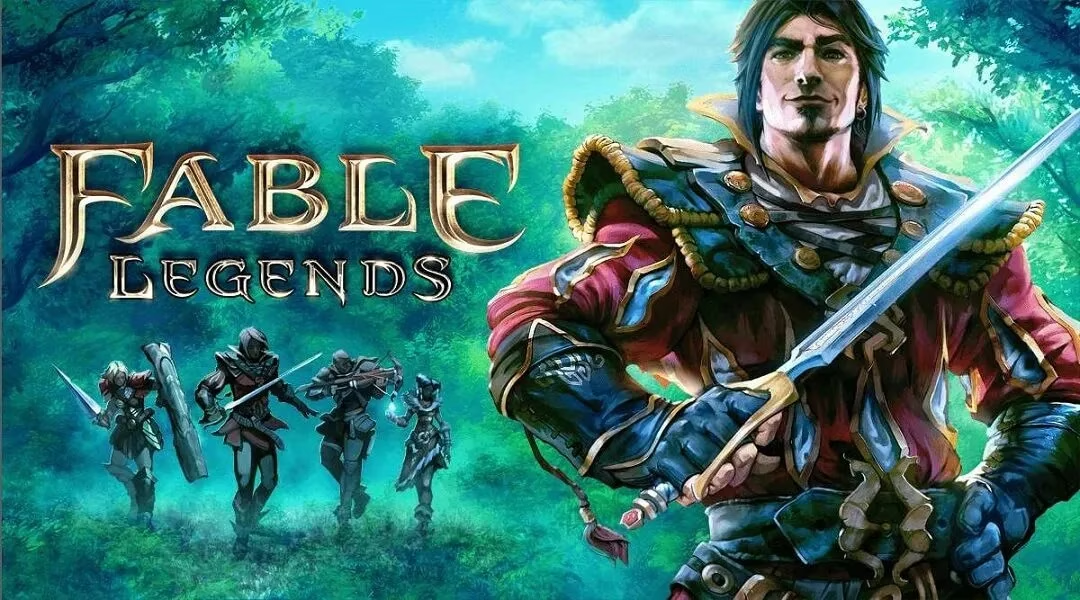
A decade after Microsoft dropped the ax, the story of Fable Legends and Lionhead Studios still lingers like a half-remembered legend. In early 2016, Microsoft confirmed that it was shutting down the Danish studio Press Play and the long-running UK developer Lionhead Studios. The bigger shock, for many players, was that Fable Legends — a game Lionhead had been building for years and was actively beta testing — was being cancelled outright. In 2026, that decision reads less like a sudden thunderclap and more like a slow-motion collapse that had been rumbling for years.
Lionhead had been acquired by Microsoft in 2006 and built a reputation on bold, strange ideas: the god game Black & White, the film-studio sim The Movies, and, above all, the Fable series. The franchise's early success owed a lot to former creator Peter Molyneux, whose pre-release enthusiasm often painted pictures the final games could not quite match. Fans learned to temper expectations. Still, the first three Fable titles carved out a loyal following. Later spin-offs like Fable: The Journey and Fable Heroes drifted from the traditional third-person adventure RPG formula and landed with a thud. By the time Fable Legends arrived, the series was already wobbling.
Fable Legends began development in 2012 and was announced in 2013 as a full retail game. Nearly a year passed before actual gameplay appeared: four random heroes against a villain player who could manipulate the map to stop them. A closed beta followed. Then the wheels began to loosen. Delays piled up, and in early 2015 Microsoft made the eyebrow-raising call to overhaul the mechanics and turn the project into a free-to-play game. Characters could be bought individually, but a free rotating roster meant players could theoretically pay nothing. The game was also announced for Windows 10, a move that foreshadowed Microsoft's broader push to unite PC and Xbox One audiences through cross-buy and cross-save systems.
A three-year development cycle that ends in a free-to-play pivot is not automatically doomed. But Fable Legends wore its problems like a theater troupe rehearsing a play it never intended to stage. The game stayed secretive for long stretches, went on media blackouts, and kept its closed beta under a strict NDA. Its E3 presence felt oddly obligatory, as if the title were being shown because a slot needed filling rather than because there was something exciting to share. Without clear gameplay videos explaining how the 4v1 loop actually worked, selling the public on the experience became a uphill climb.
Those are the kinds of signs that suggest either the developer was struggling to nail the mechanics or the publisher was losing faith. More likely, it was a mix of both. Microsoft's closure announcement included a line that still reads like a quiet confession: the changes were taking effect as Microsoft Studios continued to focus investment on “the games and franchises that fans find most exciting and want to play.” That phrase — fans find most exciting — is the tell. Fable Legends had spent years trying to sell itself, and the community never fully bought in.
Fans had been hoping for Fable 4, a proper return to the series' third-person adventure RPG roots. Instead, they got an asynchronous 4v1 experience. Many may have made up their minds the moment the concept was announced. The genre itself was also becoming crowded. Titles like Evolve saw player bases drop off rapidly after launch, and Microsoft could not have ignored that risk. With so much time and money already sunk into the project, the company eventually had to decide whether throwing more resources at Fable Legends made less sense than pulling the plug.
| Date | Milestone |
|---|---|
| 2006 | Microsoft acquires Lionhead Studios |
| 2012 | Fable Legends begins development |
| 2013 | Game announced as a full retail title |
| 2014 | First gameplay shown; closed beta announced |
| Early 2015 | Project overhauled into a free-to-play game |
| March 4, 2016 | Beta updates still rolling out |
| March 2016 | Microsoft cancels Fable Legends and closes Lionhead |
Beta updates continued as late as Friday, March 4, 2016, which makes the cancellation feel like a last-minute decision no one saw coming. It was a strange ending for a studio that had once been one of Microsoft's most recognizable creative teams. Lionhead closed, Press Play closed, and the Fable IP was left in limbo. In 2026, the franchise has since found a new steward in Playground Games, but the road back has been long and winding. Fable Legends remains a cautionary tale: a game that tried to redraw its own map with every step, like a cartographer who refuses to settle on a coastline.
For players who remember the beta, the cancellation still stings. For everyone else, it is a lesson in how much a beloved franchise can drift when ambition, expectation, and execution fail to line up. Lionhead's legacy is not Fable Legends — it is the worlds the studio built before the wheels came off. And in 2026, that is the legend worth keeping. 🎮