
Fable Fortune had spent its Early Access season like a card sharp testing a new deck in a dimly lit tavern: every balance tweak, every content drop, every patch was a quiet shuffle before the real hand was played. The collectible card game, built on the universe of Fable by Flaming Fowl Studios and Mediatonic, had arrived on PC Early Access and Xbox Game Preview for Xbox One in the preceding year. By the time the developers were ready to deal the next round, they had a clear message: the table was about to open to everyone. The game would leave Early Access on all platforms and move to free-to-play when update 1.0 arrived on February 22.
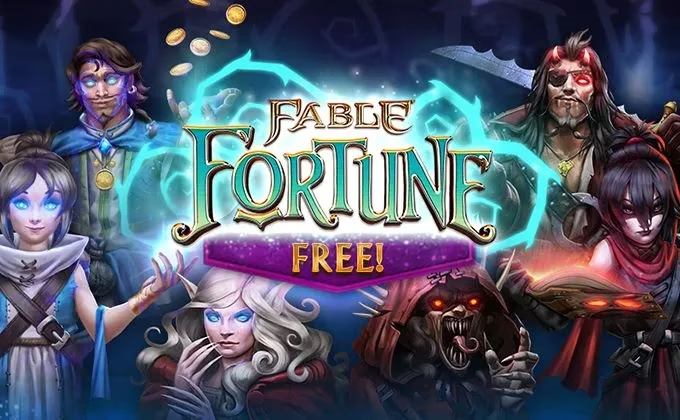
In the moment, the announcement was more than a price change. It was a signal that the game had reached what its makers considered a stable, presentable form. The 1.0 update was framed as a broad housekeeping pass: tons of stability fixes, balance adjustments, and fresh content that the developers promised to detail when the game officially launched. For players who had paid to enter early, the message carried a second layer. Their support was being noticed, not merely counted. The Road-to-Release log-in event turned the final days into a small procession of rewards, each one a nod to the people who had stayed through the testing phase.
The schedule was simple and deliberately timed. A player who logged in from 2pm GMT on the announcement day through the following day received the Fancy Crazy Cat Lady card. On February 20, the login reward shifted to the Fancy Restless Spirit. On February 21, the day before release, players could claim the Fancy Bloody Augur and a Fancy Card Pack. These were strong cards, not decorative souvenirs, and they gave early supporters a meaningful head start when the doors opened. The promotion worked like a hedge maze whose hedges had been trimmed to reward the people who had already walked the path: the route was familiar, but the prize at the center was sweeter for their persistence.
| Window | Reward | Why it mattered |
|---|---|---|
| First Road-to-Release login window, starting 2pm GMT | Fancy Crazy Cat Lady | A strong card for players who showed up early |
| February 20 | Fancy Restless Spirit | Another reward for returning supporters |
| February 21, launch eve | Fancy Bloody Augur and Fancy Card Pack | A final boost before the free-to-play crowd arrived |
The commercial shift was equally clean. Fable Fortune had been available in Early Access for $14.99 on PC and Xbox One. On February 22, it would launch as a free-to-play title on those same platforms. That is the kind of transition that can look abrupt from the outside, yet in the life of a collectible card game it is closer to a clockmaker giving the escapement one last turn before opening the shop. The paid phase had funded testing and iteration; the free phase would test whether the cards, the Fable flavor, and the balance changes could hold a wider audience.
Seen from 2026, the February 22 launch reads like a time capsule from a particular era of digital card games. Free-to-play was the obvious horizon, but the path to it was still paved with paid Early Access bundles, login rewards, and the careful language of stability and balance. Fable Fortune's 1.0 was not a finish line so much as a hinge. It swung the game from a private testing room into a public hall, and it asked the early adopters to carry their hard-won cards through the door. The developers promised more content details at launch, but the structure of the moment was already clear: reward loyalty, smooth the price transition, and let the Fable universe do the storytelling.
For anyone tracing the history of Fable spin-offs or collectible card games, the episode still has a distinct flavor. It shows how a game can treat its Early Access community less like a focus group and more like a founding table. The Fancy cards were small tokens, but they carried a large idea: the people who shuffled the deck before release deserved a better hand when the game went public. In 2026, that idea remains a useful benchmark for any title preparing to move from paid testing to open doors.