
I still get a weird knot in my stomach when I think about Lionhead Studios. Back in 2016, Microsoft didn't just cancel Fable Legends; it closed the studio that had turned Fable into one of Xbox's most recognizable names. From my 2026 couch, that whole saga still feels like a gut punch. It's the kind of story that makes you ask, 'How did it go so wrong?' and 'Why did nobody stop it?' 😬
When the news broke, it wasn't just a game cancellation. It was the end of an era. Sony even ran recruitment drives to snap up some of the talented folks who lost their jobs. That tells you everything about how respected Lionhead was. And the wild part? The team didn't even want to make Fable Legends in the first place. They wanted Fable 4.
The Game Nobody Wanted to Make
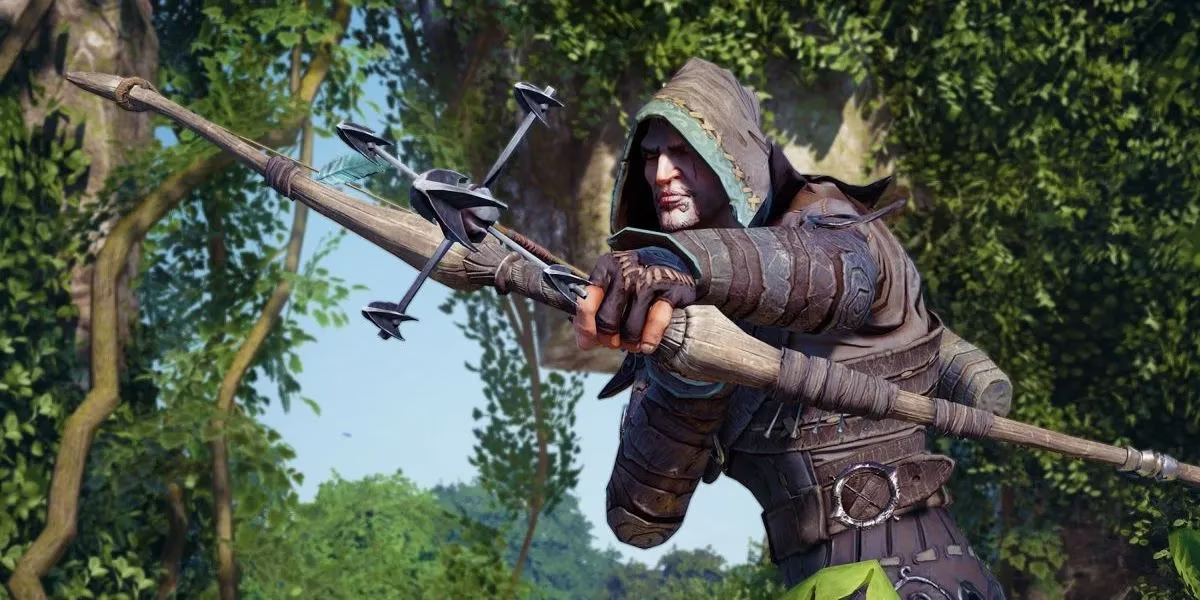
According to Eurogamer's postmortem, Lionhead pitched an ambitious Fable 4 while Microsoft pushed them toward a free-to-play spin-off. No one at the studio was exactly jumping for joy about Fable Legends. One source claimed Microsoft was told the doomed title wasn't fun and didn't have the features a free-to-play game needed. Development kept rolling anyway. The team even had a doomsday plan: if Legends got canceled, the assets could be reused for Fable 4. There was just one problem: Microsoft had already rejected Fable 4. Ouch. 💔
And the real doomsday wasn't a canceled game. It was closure and job losses. As one source put it, 'People were happy that Legends was coming to a close. We never really expected Legends to last a long time, but we never expected them to cancel it.' That line hits hard. It's the difference between a project winding down and a studio being wiped off the map.
Fable Legends reportedly cost $75 million. That's not pocket change. For a free-to-play game that people inside the studio weren't hyped about, it's a massive red flag. I'm not gonna pretend I know every business detail, but on paper this feels like a classic case of a publisher chasing a trend while the creative team wanted to build something fans actually cared about.
What Fable 4 Could Have Been
Former art director John McCormack later explained the pitch, and honestly, it sounds like my kind of wild ride. The idea was to set Fable 4 in the industrial age, with 'late Victorian proper far out Jules Verne s---.' Since I'm keeping it clean, let's call it late Victorian Jules Verne madness. It would still follow some series traditions, like an updated version of Bowerstone, but the city would be more like a London-style metropolis. The whole thing would be grittier, darker, and even R-rated. That's a far cry from the fairy-tale vibes people expect from Fable.
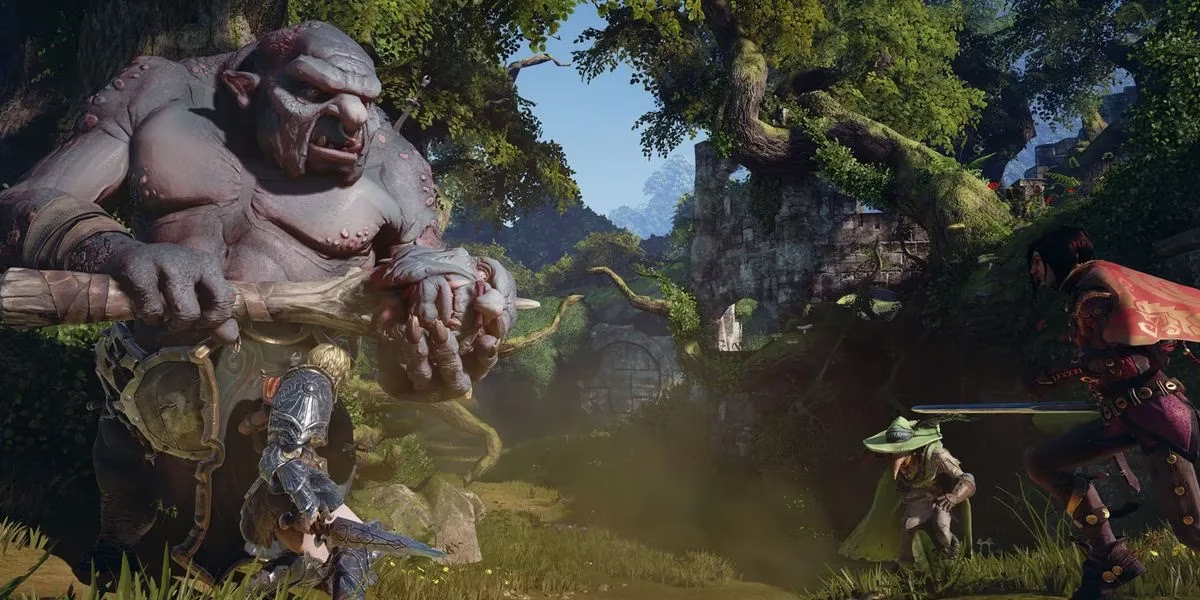
McCormack left Lionhead in 2012, partly because of this direction. I can see why the pitch would split a room. Some fans would have loved a darker, industrial Fable. Others would have screamed, 'That's not my Fable!' But at least it was a bold idea. It had a point of view. It wasn't just a free-to-play box with Fable wallpaper slapped on it.
Here's the quick comparison that still makes me sigh:
| The Lionhead pitch | What Microsoft pushed |
|---|---|
| Fable 4 set in a gritty industrial age | Fable Legends as a free-to-play game |
| London-like Bowerstone metropolis | A spin-off many devs didn't want |
| Darker, R-rated tone | A safer, service-style gamble |
| Jules Verne energy | A $75 million project with warning signs |
Microsoft Wouldn't Let Go
The weirdest part is that Microsoft reportedly got offers to buy Lionhead. Kotaku UK reported that some of the biggest names in the industry wrote letters of intent. But the publisher allegedly rejected each one because it didn't want the Fable property included in any deal. So Microsoft didn't want to make the game, didn't want to keep the studio, but also didn't want anyone else to have Fable. That's a real 'dog in the manger' situation, and it left fans holding the bag. 🎮
Peter Molyneux, Lionhead's founder, even said he'd be up for making Fable 4. He said that after finishing what he was working on, if someone asked him, 'Hey, do you want to do Fable 4?' he'd totally be up for it. He'd get Dene and Simon back. He'd remake the world. He called it a rich world with so many avenues they didn't explore. And yes, he'd still want the equivalent of another dog. 🐕 That last bit got me. It's such a Fable thing to say.
Microsoft's official line at the time was that it wanted to shift focus onto franchises fans cared about. That line aged like milk. It basically said the quiet part out loud: Xbox had lost faith in Fable as a series. Or maybe it just wanted to sit on the IP so it never showed up on another platform. Either way, Lionhead and its people paid the price.
From where I sit in 2026, the Fable name is still a talking point, and the Lionhead story remains a cautionary tale. Great studios can get chewed up by shifting priorities, trend-chasing, and corporate pride. Fable 4 might have been a mess. It might have been brilliant. We'll never know. And that's the saddest part. The doomsday scenario the team joked about actually happened, just not in the way anyone expected. 💔