
The announcement of Fable 4 by Xbox and Playground Games in the summer of 2020 ignited a spark of anticipation that has simmered for years. While concrete details have been scarce, the game's position on Microsoft's updated publishing roadmap, nestled between titles like The Outer Worlds 2 and a new Indiana Jones adventure, suggests a future release is firmly on the horizon. For now, fans are left to parse the clues from the initial trailer, which offered a tantalizing glimpse of a familiar yet transformed Albion. The final shot, revealing what appears to be Bowerstone Castle in the distance, hints at a return to the series' iconic city, but its less-developed appearance compared to Fable 3 points towards a journey into Albion's past. This historical setting opens the door for Fable 4 to explore one of the most pivotal yet unseen events in the lore: the catastrophic fall of the Heroes' Guild.
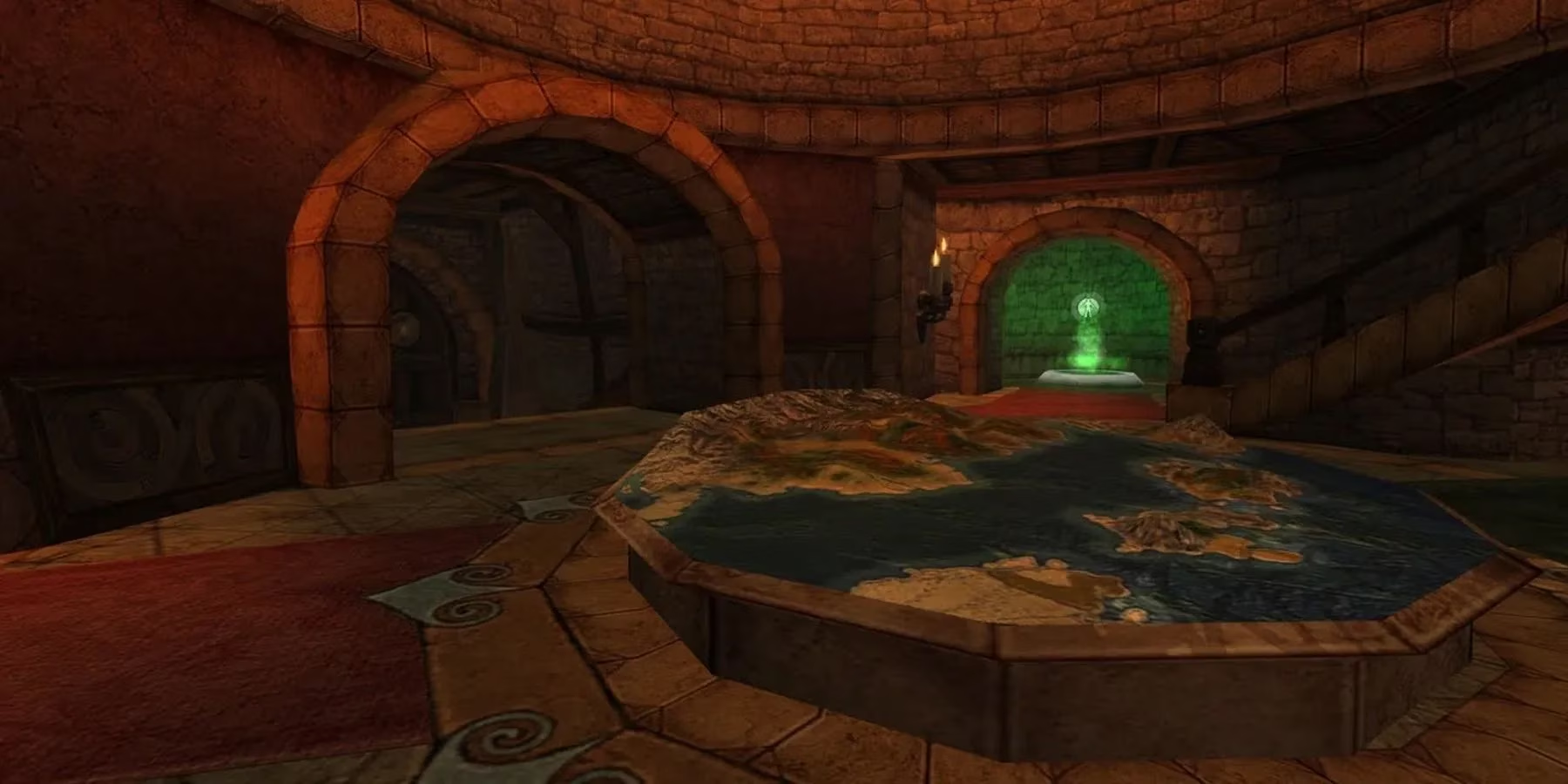
The Heart of Albion's Power: The Heroes' Guild
The Heroes' Guild was the beating heart of the original Fable. It was a place of training, mentorship, and purpose, where the player's Hero learned their craft and received quests that shaped the fate of the realm. This grand institution, however, met a fiery end. By the time of Fable 2, set roughly 500 years later, only the subterranean ruins of the Chamber of Fate remained. The seer Theresa provided a somber explanation: Albion's adoration for its protectors curdled into fear and hatred, culminating in a violent uprising where the Guild was burned to the ground and most Heroes were slain. This historical footnote is ripe for exploration, offering a rich narrative foundation for the next chapter.
Seeds of Distrust: Why Albion Turned on Its Protectors
Theresa's account leaves the why tantalizingly vague, but the original game plants the seeds of the Guild's eventual downfall. While morality is a core mechanic for the player, the Guild itself operated with a stark, functional amorality. Heroes were celebrated for stopping world-ending threats like Jack of Blades, yet the organization also sanctioned morally dubious contracts—including acts of mass murder—provided the payment was sufficient. The Guildmaster's speech at the protagonist's graduation explicitly framed heroism as a choice between good and evil, positioning these powerful individuals more as magical mercenaries than paragons of virtue.
-
Renown vs. Righteousness: The Fable series' Renown system encouraged heroes to seek glory and fame, often painting them as glory hounds rather than selfless champions. This pursuit of celebrity, reminiscent of Greek myths, could easily alienate the common folk.
-
Power Without Accountability: With such immense power concentrated in individuals who were not bound by a strict moral code, the potential for abuse was enormous. Even if most Heroes remained good, the terrifying actions of a few "bad apples" could poison the public's perception of the entire order. The fear of a single, corrupted Hero destroying a village would understandably breed widespread paranoia and resentment.
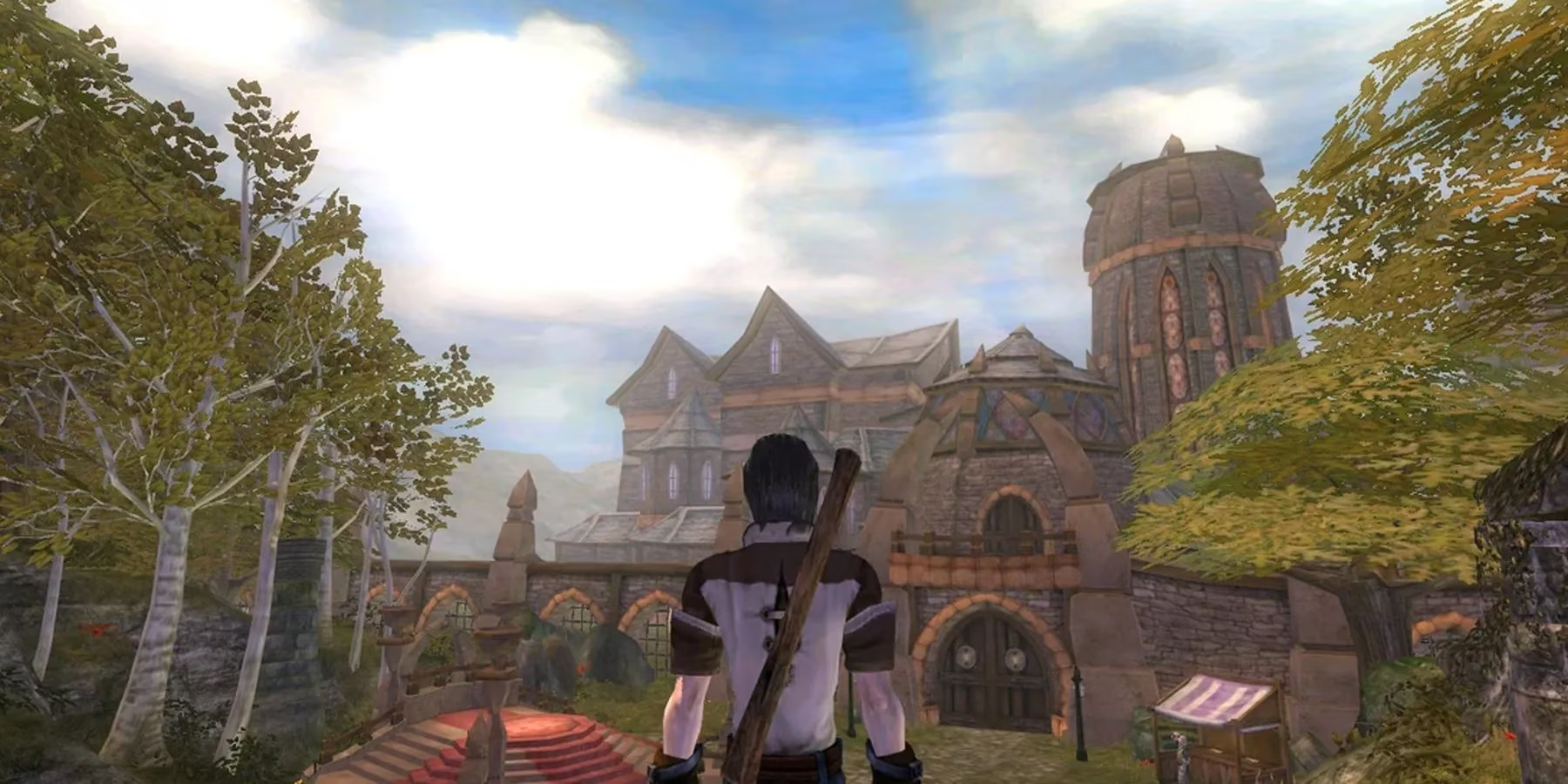
A Story Built on Conflict and Choice
This inherent conflict between the powerful Guild and the fearful populace presents a perfect narrative core for Fable 4, especially if the game moves away from a purely supernatural antagonist. Imagine stepping into the boots of a new Hero, perhaps even a descendant of the original protagonist, who is deeply connected to the Guild's legacy. This connection would create profound moral dilemmas when confronted with the institution's growing corruption and the justified anger of the people.
Players could be faced with weighty choices that define the era:
| Player's Path | Potential Outcome | Moral Complexity |
|---|---|---|
| Reform from Within | Attempt to change the Guild's ways, navigating political intrigue and facing resistance from within. | Compromises ideals for gradual change; may be seen as complicit. |
| Crush the Rebellion | Side unequivocally with the Guild, using overwhelming force to suppress the uprising. | Upholds order but perpetuates tyranny; ignores the people's plight. |
| Join the Revolution | Turn against fellow Heroes to aid in burning down the corrupt institution. | Betrays comrades for a greater good; aligns with potentially violent mob justice. |
The story wouldn't need to frame it as a simple battle of "Evil Heroes vs. Good Rebels." Nuance could thrive on both sides, with noble rebels fighting for freedom and principled Heroes striving to protect a flawed system they believe in. This would allow Fable 4 to tell a more mature and morally ambiguous tale than its predecessors.
The Great Equalizer: The Dawn of Firearms
Of course, a rebellion against an order of magical warriors would be short-lived without a means to fight back. History provided Albion's people with a great equalizer: gunpowder. According to lore, traders from Samarkand introduced it to the continent sometime before the events of Fable 2. The subsequent invention of flintlock rifles and pistols democratized power, allowing a minimally trained farmer to potentially match a Hero in combat.
This technological shift strongly supports the theory of Fable 4 being set in the transitional period between the first two games. This era presents a compelling compromise for the ongoing debate about firearms in the series. By Fable 2, flintlocks were already obsolete, replaced by more advanced repeater weapons. However, during the Guild's fall, these early guns would have been revolutionary—and terrifyingly new.
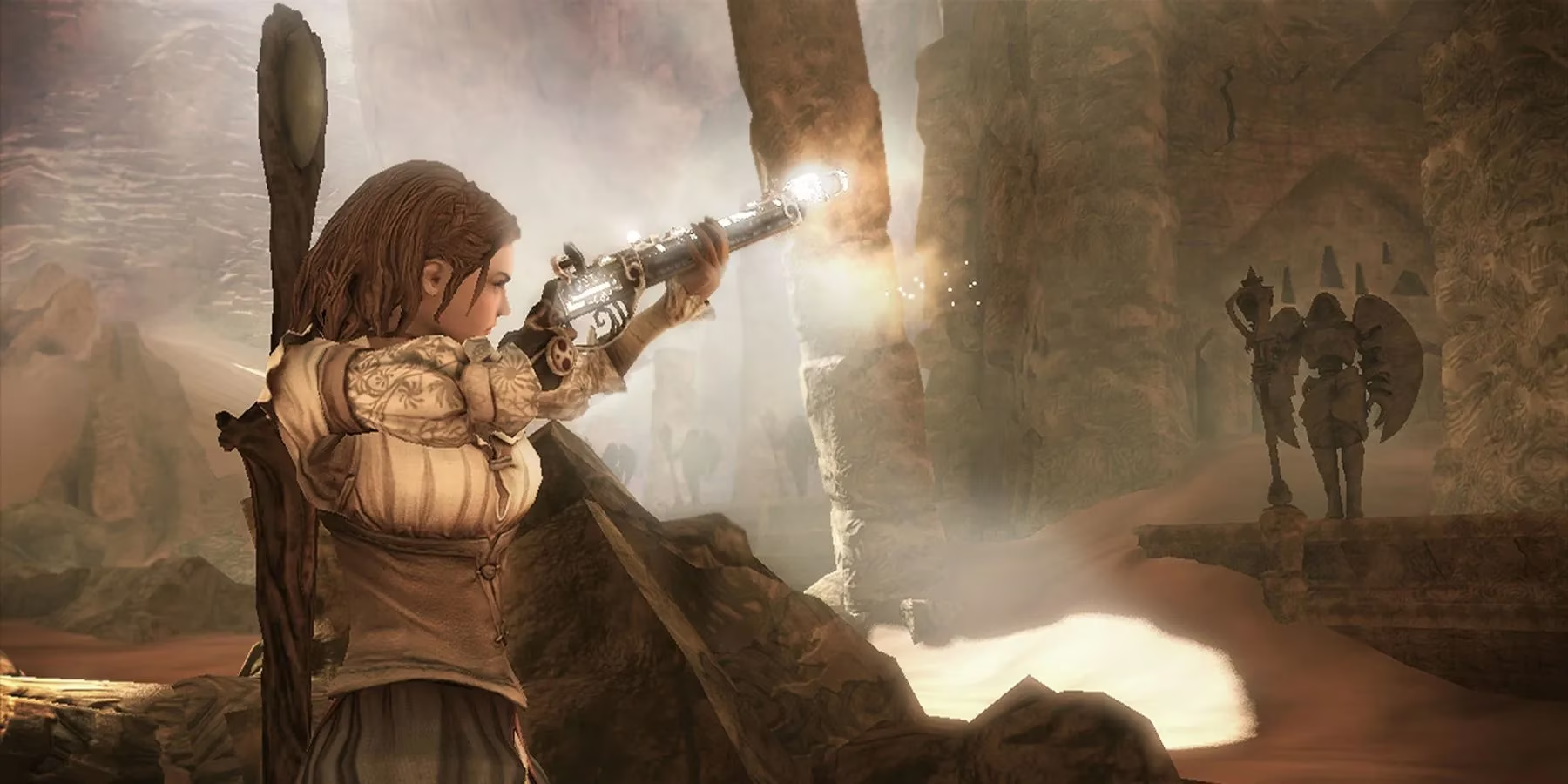
Games like GreedFall have masterfully shown how to blend early firearms with traditional fantasy RPG combat, creating a unique and tactical hybrid style. Playground Games could draw inspiration from this, presenting an Albion where swords, spells, and smoking muskets coexist on the battlefield. This rarely-depicted era of warfare—where plate armor meets gunpowder—would give Fable 4 a distinct and fresh visual and gameplay identity.
Exploring an Uncharted Era of Albion
Setting the game in this historical gap offers more than just narrative and gameplay opportunities; it allows players to explore a brand-new epoch in Albion's evolving history. The series' unique charm has always been its passage of time and technological progress, from a medieval setting in Fable to an industrial revolution in Fable 3. The 500-year jump between the first two games leaves ample room for multiple stories.
-
Historical Inspiration: Clues in Fable 3, such as the Hollow Men dressed as conquistadors, suggest an Albion equivalent to the 1500s or 1600s. This could align perfectly with themes of revolution and change.
-
The English Civil War Parallel: This period in English history, marked by violent conflict between monarchy and parliament, would be a fitting backdrop for the uprising against the aristocratic-like Heroes' Guild. It was a time of profound social and political upheaval, mirroring the guild's destruction.
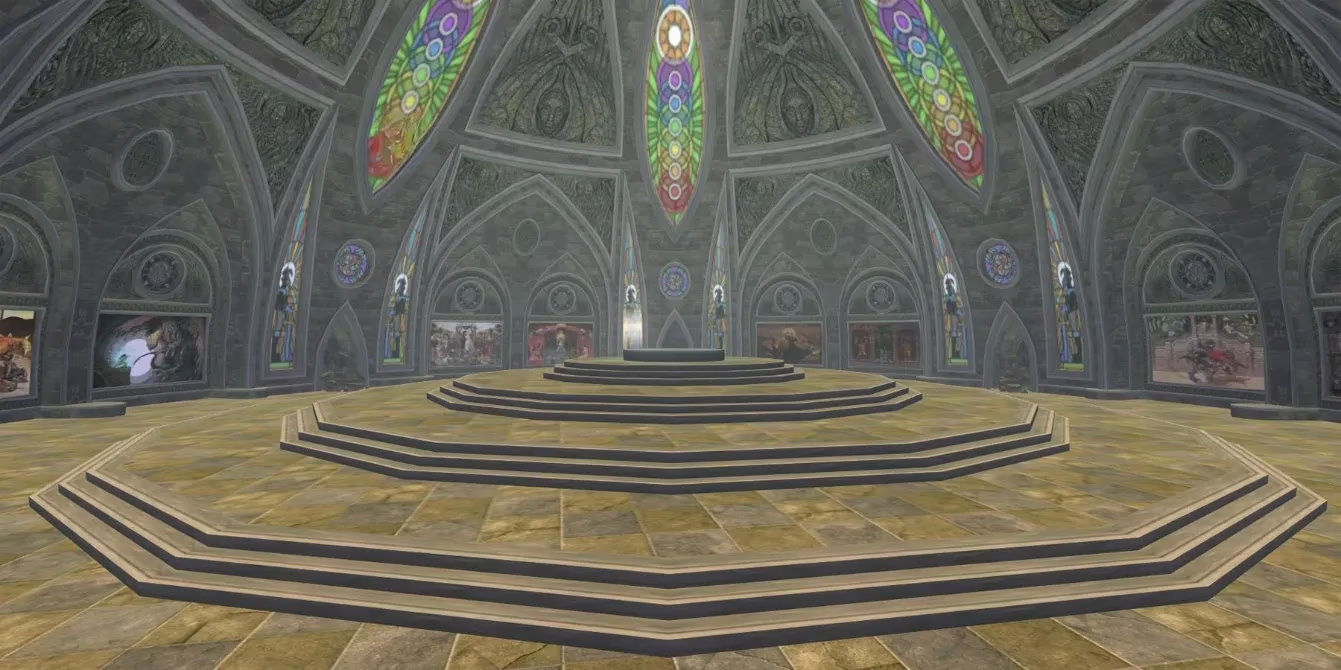
By choosing this era, Fable 4 can flesh out a fascinating, previously unseen chapter of the lore. Players wouldn't just revisit familiar locations; they would witness them in a different, formative state, understanding how the legends of the past directly shaped the world of the future. The stage is set for a tale not of a single villain, but of a society at war with its own protectors, where the line between hero and villain is blurred, and every choice echoes through the centuries. As development continues for PC and Xbox Series X/S, the promise of exploring this fallen guild and its turbulent era remains one of the most exciting prospects for Albion's long-awaited return. 😊⚔️💥